

For many homeowners, the dream of more space doesn’t necessitate a move, but rather a thoughtful expansion of the familiar. Whether it’s accommodating a growing family, creating a dedicated home office, or simply enhancing livability, the decision to build an addition onto an existing structure is a significant one. But before the first nail is hammered, a crucial foundation of planning must be laid. We hope this guide on How to Begin Planning an Addition to Your Home is helpful and takes away some of the fears associated with a large scale construction project.
In this article, we delve into the seven essential questions every homeowner needs to ask to navigate this exciting, yet potentially complex, project.
1. What Are Your Needs and Goals for the Addition?
Before you even begin to sketch layouts or browse Pinterest for inspiration, take a step back and clearly define why you want to build an addition. This foundational question will drive all subsequent decisions and ensure the final result truly meets your needs.
– **Identify the problem you’re solving:** Are you feeling cramped due to a growing family? Do you need a dedicated workspace? Is it about increasing your home’s value?
– **Define the function of the new space:** Be specific—Is it a master suite? An open-concept kitchen? A multi-purpose room?
– **Consider your long-term needs:** How might your needs evolve in the next 5, 10, or even 15 years?
– **Prioritize your “Must-Haves” vs. “Nice-to-Haves”:** Distinguish between essential features and desired extras to navigate budget constraints.
– **Visualize the flow:** How will the new space connect with your existing home?
Answering this question thoroughly will provide a solid framework for the rest of your planning.
2. What is Your Ideal Timeline and Level of Patience During Construction?
While dreaming is exciting, it’s crucial to consider your ideal timeline and the level of disruption you can manage during construction.
– **Establish your target completion date:** Do you have a specific event in mind?
– **Understand the phases of construction:** Familiarize yourself with the typical stages of an addition.
– **Discuss timelines with potential contractors:** Ask for realistic estimates and be wary of proposals that seem too good to be true.
– **Consider your tolerance for disruption:** Be honest about your comfort with noise, dust, and utility outages.
– **Factor in potential delays:** Build some buffer time into your ideal timeline.
– **Plan for temporary living arrangements:** For larger additions, temporary housing might be necessary.
Being realistic about your timeline will help ensure a smoother process.
3. What is Your Budget, and How Will You Finance It?
Turning your home addition dreams into reality requires a clear understanding of the financial landscape.
– **Determine your maximum affordable budget:** Be honest with yourself about financial capacity.
– **Research costs of similar additions:** Understand material costs, labor rates, and permit fees in your area.
– **Explore financing options:** Familiarize yourself with possible loans or home equity options.
– **Factor in contingency funds:** Set aside 10-20% of your budget for unexpected expenses.
– **Consider hidden costs:** Don’t overlook increases in property taxes or utility costs.
– **Get detailed quotes from multiple contractors:** This empowers informed decisions.
A well-defined budget will guide you through the planning and building process.
4. How Will the Addition Integrate with Your Existing Home?
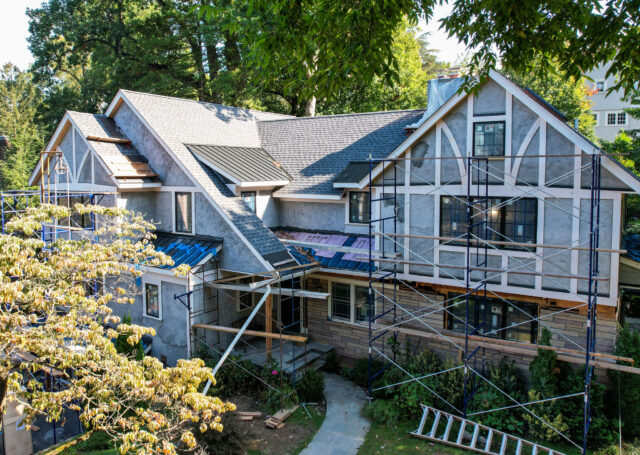 Considering how the new structure will connect with your current home is vital for aesthetics and functionality.
– **Think about architectural style:** Will the addition blend or contrast?
– **Consider flow and layout:** Ensure connections feel natural.
– **Visualize material consistency:** Match roofing, siding, and window styles.
– **Plan for utility connections:** Ensure plumbing and electrical systems can accommodate the new addition.
– **Assess the impact on natural light:** Will the addition block existing light sources?
Evaluating integration will ensure your addition feels cohesive and not like an afterthought.
5. Who Will You Hire for the Project?
The team you choose will significantly impact the quality and timeline of your project.
– **Determine if you need an architect:** For complex designs, their expertise is invaluable.
– **Consider a general contractor:** A GC can oversee the entire project.
– **Research and vet potential professionals:** Seek recommendations, reviews, and verify licenses.
– **Get multiple bids and compare:** Assess experience and communication styles before deciding.
– **Ask for references and check their work:** Speak to previous clients about their experiences.
Selecting the right professionals is crucial for a successful addition.
6. What are the Zoning Regulations and Building Codes in Your Area?
Ignoring local regulations can lead to significant delays and potential fines.
– **Research local zoning ordinances:** Understand setback requirements and restrictions based on your specific zone.
– **Understand building codes:** Ensure compliance with safety and structural standards.
– **Determine permit requirements:** Almost all home additions require permits.
– **Factor in time for permit approval:** Don’t start construction before permits are approved.
– **Consider HOA rules:** Check if your community has additional rules for modifications.
Adhering to local regulations is essential for a smooth project.
7. How Will You Communicate and Manage the Project?
A successful home addition relies on clear communication and effective management throughout the process.
– **Establish clear lines of communication:** Determine the primary contacts for your project.
– **Define a communication schedule:** Plan regular check-ins to discuss progress and make decisions.
– **Understand the change order process:** Be clear on how changes will be documented.
– **Keep detailed records:** Organized documents will streamline communication.
– **Establish a process for addressing issues:** Discuss how unexpected problems will be handled.
By implementing effective communication strategies, you can ensure the addition process runs smoothly.
Conclusion
Planning a home addition might seem daunting, but by thoughtfully addressing these seven questions, you’ll lay a strong foundation for a successful project. So, take a deep breath, grab a pen, and start answering these questions—your dream home addition is within reach!
For those seeking expert guidance, we offer endless home renovation inspiration, detailed guides, and practical cost breakdowns. Trust in our experience, as we’ve successfully completed thousands of home improvement projects across Westchester and Fairfield counties over the past 60 years.