

All-white kitchens are no longer the default “safe choice”, and the data behind buyer preferences helps explain why. In Zillow’s 2023 analysis of listing keywords, homes mentioning “blue kitchen cabinets” sold for a premium, while several “plain/sterile” cues (including overly stark design language) tended to underperform in buyer sentiment (Zillow, 2023). At the same time, the National Kitchen and Bath Association (NKBA) has consistently reported growing demand for wood tones and color in cabinetry as homeowners prioritize warmth, individuality, and durability in real-life living spaces (NKBA Kitchen Trends, 2024).
This 2026 guide breaks down why non white kitchen cabinets are surging, which colors and materials are winning right now, and how to choose warm kitchen colors (including beige kitchen design) without regretting it in three years. You will also get practical selection rules, budget considerations, and common mistakes to avoid.
Why the all-white kitchen is fading and what is replacing it?
All-white kitchens rose with the open-concept boom and social media’s preference for bright, high-key interiors. In 2026, homeowners are recalibrating around how kitchens actually perform: they are multifunctional work zones, entertaining hubs, and backdrops for everyday mess.
Real-life durability is winning over showroom perfection
White cabinets and white counters can look timeless, but they also highlight scuffs, fingerprints, coffee splashes, and cooking oils. In renovation consulting, we see many clients shift to mid-tone or darker colored kitchen cabinets simply because maintenance stress drops dramatically. Matte and satin finishes also hide micro-scratches better than high-gloss white lacquers.
Warmth and character are the new “neutral”
The design world is moving away from cool grays and stark whites toward warm kitchen colors and nature-based palettes. This aligns with broader consumer preference shifts: “warm” wood descriptors and organic materials have increased in design reporting and manufacturer launches since 2023, and NKBA trend reporting continues to highlight wood tone resurgence (NKBA, 2024).
Resale is no longer just about playing it safe
Buyers still value kitchens, but “safe” is changing. Zillow found that certain color-forward kitchen features can correlate with higher sale prices. For example, listings mentioning blue kitchen cabinets were associated with a measurable sale premium in their dataset (Zillow, 2023). Translation: tasteful color can sell, especially when it reads intentional and well-executed.
What’s new in 2026: the biggest cabinet color shifts you’ll see?
In 2026, the shift is not simply “color instead of white.” It is a move toward layered, livable neutrals, softer contrasts, and finishes engineered for wear. Here are the most common directions we are specifying at Remodeling Consultants this year.
1) Beige kitchen design goes modern (not builder-basic)
Beige is back, but not the yellow-beige of decades past. The 2026 version is complex and grounded: think oat, putty, mushroom, greige-beige, and clay-washed neutrals. Beige cabinetry pairs especially well with warm whites on walls, brushed metals, and natural stone with movement.
2) “Off-black” and deep neutrals replace stark contrast
Rather than bright white uppers and jet-black lowers, 2026 palettes often use softened darks: charcoal-brown, inky green-black, or graphite. These tones deliver contrast without looking harsh, and they coordinate better with the warm woods trending in flooring and furniture.
3) Muted greens and blues continue, but get dustier
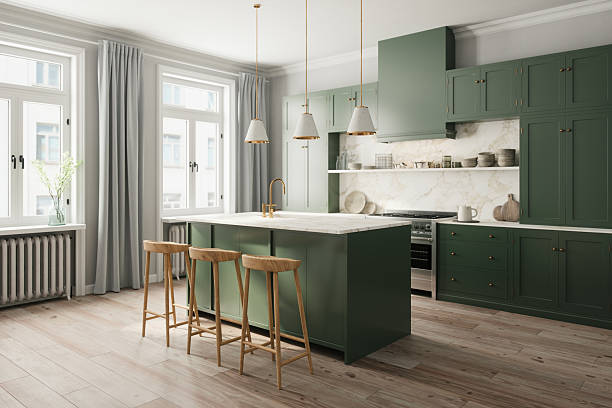
Blues and greens remain strong, but saturated jewel tones are giving way to dusty, gray-shifted, or earth-shifted versions. The effect is calmer and more enduring, especially in open-concept homes where kitchen cabinetry is always visible.
4) More visible wood, more honest grain
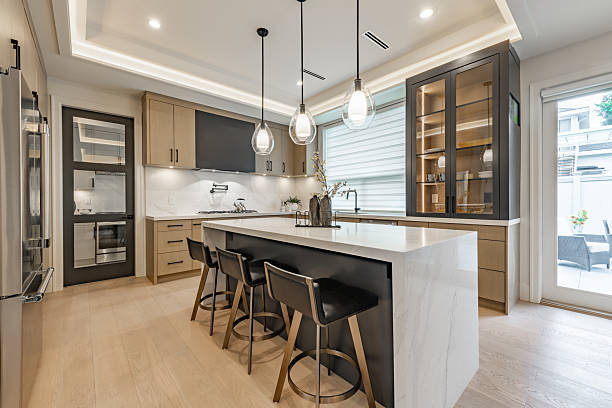
NKBA’s trend reporting has consistently signaled a return to wood cabinets and wood-look finishes, with homeowners seeking texture and warmth (NKBA, 2024). In 2026, flat-sawn and rift-sawn white oak looks remain popular, but walnut and alder are also resurging in select markets. The “perfectly uniform” look is being replaced by character grain and natural variation.Interior of a bright, contemporary kitchen features a large island with seating.
Data-backed reasons non white kitchen cabinets are outperforming
Color preference is personal, but the business case for moving beyond all-white is getting stronger. Here are the most relevant data points we use when advising homeowners and property investors.
Cabinet color strategy is now a durability strategy
In client post-mortems, “I didn’t realize how fast it would look dirty” is one of the most common regrets with bright white cabinetry, especially in homes with kids, pets, or heavy cooking. Non-white finishes, especially mid-tones with matte sheens, reduce visible wear and extend the kitchen’s “looks new” period.
Comparison table: top 2026 cabinet color directions (pros, risks, best pairings)
| Cabinet direction (2026) | Why it’s trending | Watch-outs | Best pairings |
|---|---|---|---|
| Warm beige / mushroom(beige kitchen design) | Reads soft, modern, and “warm-neutral”; works in many homes | Can look flat in cool lighting; needs contrast in hardware or counters | Warm quartz, travertine looks, brushed nickel, aged brass |
| Dusty green(sage, olive-gray) | Nature-based, calming, hides wear better than white | Can skew “muddy” if paired with yellow floors or cool grays | White oak, creamy backsplash tile, unlacquered brass |
| Dusty blue(slate-blue, denim) | Photographs well; aligns with buyer interest in blue cabinets (Zillow, 2023) | Bright blues can date fast; undertone clashes with warm counters | Warm whites, mixed metals, natural stone with gray-beige veining |
| Walnut or white oak wood | Texture, authenticity, warmth; supported in NKBA trend reporting (NKBA, 2024) | Low-quality veneers can look cheap; needs consistent grain planning | Simple backsplashes, creamy walls, matte black or bronze accents |
| Charcoal-brown / soft black | High contrast without harshness; pairs well with warm metals | Can darken small kitchens; needs layered lighting | Light counters, warm white walls, under-cabinet lighting |
Common mistakes to avoid and pro tips from renovation consulting
Non-white cabinets are not automatically “better.” The goal is a kitchen that looks cohesive, performs well, and supports resale in your neighborhood. Avoid these high-impact mistakes.
Mistake 1: Choosing cabinet color before countertop selection
Countertops are typically a bigger fixed visual plane and often have longer lead times. Pro tip: select countertop first (or at least narrow to two options), then finalize cabinet color with real samples in your lighting.
Mistake 2: Ignoring sheen and texture
Many homeowners focus on color only. In reality, sheen (matte vs satin) and texture (smooth vs grain) determine how the cabinets hide wear. Pro tip: request a door sample in the exact finish, not a small paint chip.
Mistake 3: Overcommitting to a very bold hue in an open floor plan
If your kitchen is visible from the front door or living room, a strong color can overwhelm daily life. Pro tip: use saturated color on the island, pantry wall, or a secondary run, and keep perimeter cabinets in warm neutrals or wood.
Mistake 4: Forgetting the “transition spaces”
Hallways, mudrooms, and adjacent built-ins matter. If you go with beige kitchen design or green cabinets, echo that tone subtly in nearby spaces so the kitchen does not feel like a separate “set.”
Mistake 5: Not planning for touch-up reality
Some custom colors are difficult to touch up later. Pro tip: keep a labeled touch-up kit, record the exact color code, and confirm whether your cabinet finish is field-repairable or factory-only.
Real-world scenarios: what to choose based on your home type and goals
Color strategy should change based on architecture, daylight, and whether you are renovating for yourself or for resale. Here are practical 2026-appropriate recommendations we commonly give clients.
Scenario A: You want warmth, but worry about resale
Choose warm beige cabinets or white oak with a warm white wall color. Keep countertops simple (warm quartz or light natural stone), then add personality through lighting and hardware. This approach reads updated but broadly appealing.
Scenario B: Your kitchen is small or lacks natural light
Use a light warm neutral on perimeter cabinets (putty-beige) and reserve deeper color for the island. Add under-cabinet lighting and consider reflective backsplash tile to avoid a heavy feel.
Scenario C: You flip or renovate rentals and need durability
Choose mid-tone cabinets (taupe, mushroom, or light oak-look) in a satin finish with durable hardware. Mid-tones hide tenant wear far better than bright white while still photographing well for listings.
Scenario D: You love bold design and will stay 7+ years
Go for colored kitchen cabinets in dusty green, slate blue, or a soft black, but keep the rest of the surfaces quieter. The most successful bold kitchens typically use one hero element(cabinet color) and keep backsplash and counters restrained.
Conclusion
All-white kitchens are not “wrong,” but in 2026 they are no longer the default best answer. Homeowners are choosing non white kitchen cabinets because they deliver warmth, hide daily wear, and create a more personal, premium look when done with a clear plan.
If you want expert help translating 2026 trends into a kitchen that fits your home, budget, and resale goals, Remodeling Consultants can build a color and materials roadmap, review bids, and help you avoid expensive missteps. The fastest wins usually come from a tight palette, the right sheen, and lighting that makes your cabinets look intentional every day.
Ready to move beyond the ordinary white kitchen and create a space with lasting style and value? Contact Remodeling Consultants today to develop a personalized cabinet and materials plan that fits your home, budget, and long-term goals.
Frequently asked questions
Are non white kitchen cabinets a fad or a long-term trend?
In 2026, the shift away from all-white is supported by multi-year industry trend reporting emphasizing warmer finishes and wood tones (NKBA, 2024). While specific colors rotate, the broader move toward warmth, texture, and mid-tone palettes is likely to persist. Choose low-chroma, warm-leaning shades for the most longevity.
What are the best warm kitchen colors for cabinets in 2026?
Top performers include mushroom beige, putty, taupe, dusty olive, and warm wood tones like walnut and white oak. These shades read neutral, pair well with popular metals, and typically hide everyday wear better than bright white. Test undertones in your kitchen lighting before committing.
Is beige kitchen design actually back, and how do I keep it modern?
Yes, beige is back in a more complex, muted form that feels warmer and softer than gray. Keep it modern by pairing beige cabinets with simple countertops, minimal backsplash patterns, and updated hardware like aged brass or brushed nickel. Avoid yellow-beige tones if your fixed finishes already lean warm.
What cabinet colors help resale value the most?
Resale performance depends on your market, but data suggests some tasteful color can be attractive to buyers. Zillow found listing keywords like “blue kitchen cabinets” were associated with a sale premium in their analysis (Zillow, 2023). For broad appeal, consider dusty blues, warm beiges, or natural wood rather than very bright hues.
Should I do two-tone cabinets or all one color?
Two-tone remains a practical choice, especially in open-concept homes. A common 2026 approach is warm neutral perimeter cabinets with a deeper island color for contrast. One-color kitchens can look more custom, but they require strong lighting and careful coordination with countertops and floors.
Can I keep my countertops if I switch from white to colored kitchen cabinets?
Often yes, but the success depends on undertones. Bring cabinet door samples home and view them next to the counter at multiple times of day. If your countertop is very cool gray, you may need to choose a cabinet color with cooler undertones or add warm bridging elements like wood shelves and warm metals.
What finish is best for durability: matte, satin, or gloss?
For most households, satin offers the best balance of cleanability and wear-hiding. Matte hides fingerprints well but can be harder to scrub if the finish is lower quality. High gloss is the most reflective and often shows scratches and smudges more easily.
How do I choose cabinet color if my kitchen has little natural light?
Prioritize lighter warm neutrals or light wood tones on the perimeter, then add deeper color on an island if desired. Upgrade layered lighting, especially under-cabinet task lighting, so the color reads correctly. Avoid very dark cabinets across the entire kitchen unless you have a strong lighting plan.
Are wood cabinets considered “non white kitchen cabinets” for this trend?
Yes. The 2026 movement is largely about returning warmth and texture to the kitchen, and wood tones are a major part of that. NKBA trend reporting continues to highlight wood as a strong direction in kitchen design (NKBA, 2024).
When is the best time to decide cabinet color in a remodel?
Decide after you confirm your fixed finishes and lighting plan, and ideally after narrowing your countertop selection. Cabinet lead times can be significant, so lock the color once you have physical samples and a final material board. This reduces costly change orders and prevents undertone clashes.