



Choosing the right design build contractor Connecticut homeowners can rely on is an important decision when planning a high-end renovation. Luxury remodeling requires more than attractive finishes and updated interiors. It involves architectural planning, skilled craftsmanship, careful material selection and consistent project management.
Whether you are renovating a historic residence, expanding your living space or updating an established property in Fairfield County, the contractor you select will influence the entire remodeling experience.
Understanding how to evaluate design expertise, construction capabilities and communication practices can help you make a confident decision.
This guide explains what to look for in a qualified design-build contractor, how to compare renovation proposals and which questions to ask before beginning your project.
Understanding the design-build approach for luxury home remodeling
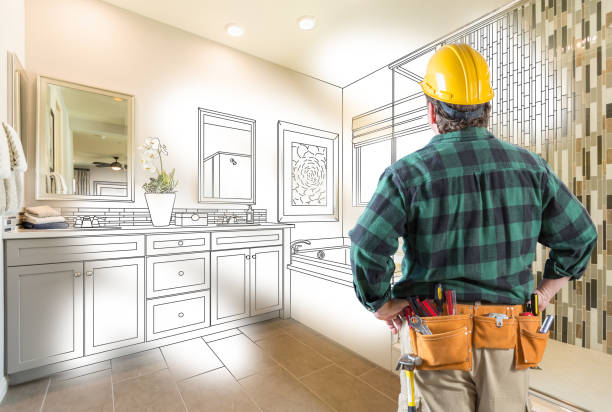
A design-build approach brings architectural planning, design development and construction management into a coordinated process.
Instead of independently managing designers and construction contractors, homeowners work with a team responsible for organizing the project from initial planning through completion.
This approach is particularly relevant for complex residential renovations. A high end home renovation may involve structural modifications, custom cabinetry, specialized materials and improvements to existing building systems.
How design-build remodeling works?
The design-build process generally begins with an assessment of the property and a discussion of the homeowner’s goals.
Design professionals evaluate existing conditions and develop solutions that balance appearance, functionality and construction feasibility.
Once the design direction is established, the team reviews materials, specifications and project requirements.
A well-organized process typically includes:
- Initial property assessment and remodeling consultation.
- Architectural planning and design development.
- Material research and finish selection.
- Construction specifications and budgeting.
- Permit preparation and approval coordination.
- Construction scheduling and quality supervision.
- Final inspections and project completion review.
Homeowners should confirm which services are performed internally and which involve outside specialists.
Not every design-build company uses the same staffing or project delivery structure.
Why integrated planning matters for high-end renovations?
Luxury renovations often require coordination between aesthetic preferences and technical requirements.
For example, installing oversized windows may affect structural framing, insulation and heating performance.
Early collaboration between designers and construction professionals helps identify these relationships before decisions become difficult to change.
A coordinated planning process also allows homeowners to understand how design choices affect construction requirements.
For homeowners considering a design-build approach, reviewing a company’s project planning process can provide insight into how design concepts become completed construction work.
Evaluate the contractor’s experience with Connecticut luxury homes
Relevant project experience should be a major consideration when selecting a luxury remodeling contractor.
High-end residential work involves detailed expectations and construction challenges that differ from routine property improvements.
A contractor who regularly manages complex renovations may be better prepared to identify structural limitations, coordinate specialty trades and maintain consistent workmanship.
Review relevant renovation projects
Begin by examining the contractor’s portfolio. Look for completed projects that resemble your intended renovation in architectural style, scale and complexity.
A contractor experienced in custom kitchen renovations may not automatically have the same expertise in substantial home additions or historic property alterations.
When reviewing previous work, consider the following questions:
- Does the portfolio demonstrate consistent craftsmanship?
- Has the contractor completed renovations in occupied homes?
- Are the finishes appropriate for the property’s architectural character?
- Does the team have experience with structural alterations?
- Can previous clients describe their experience with communication and scheduling?
Request examples of completed projects rather than relying entirely on conceptual design images.
Finished work provides a more useful indication of construction quality.
Assess knowledge of local construction requirements
Connecticut homes vary considerably in age, construction methods and architectural character.
Renovating an older residence in Greenwich may present different challenges from updating a more recent property in Stamford.
Existing framing, outdated electrical installations, moisture damage and previous remodeling work can influence the construction plan.
Municipal building requirements and historic preservation considerations may also affect the scope of work.
Contractors should understand how to identify applicable permits and coordinate with local building officials.
The Connecticut Department of Consumer Protection advises homeowners to research contractors, verify registrations and request references before hiring.
These recommendations remain relevant when evaluating contractors in 2026.
Practical recommendation: Ask potential contractors how they evaluate existing building conditions and manage unexpected issues discovered during demolition.
Look for strong design expertise and material knowledge
A successful luxury renovation should improve the relationship between appearance, comfort and everyday functionality.
Beautiful finishes alone cannot compensate for an inefficient layout or unsuitable construction details.
Experienced home remodeling contractors should be able to explain how proposed design choices will function over time and how they relate to the existing property.
Evaluate architectural and interior design capabilities
Review how the design team approaches circulation, natural lighting, storage and the connection between rooms.
These considerations are particularly important when remodeling kitchens, bathrooms and shared living spaces.
For example, an open kitchen may look appealing in design photographs but create practical problems if appliance placement interferes with movement through the space.
Effective design planning considers how homeowners use their property rather than simply following popular styles.
Ask whether the contractor provides detailed drawings, material specifications and opportunities to review design revisions before construction.
Examine craftsmanship and material selection
Premium materials require appropriate installation methods.
Natural stone surfaces, hardwood flooring, custom millwork and specialty fixtures may have different preparation and maintenance requirements.
A qualified contractor should explain these differences and recommend materials suited to the home’s conditions.
Material evaluation should consider:
- Durability under expected daily use.
- Compatibility with existing construction.
- Maintenance and cleaning requirements.
- Manufacturer installation specifications.
- Availability of replacement materials.
- Long-term appearance and performance.
For homeowners planning renovations in 2026, practical layouts, adaptable living spaces and materials selected for longevity are worthwhile priorities.
However, homeowners should evaluate these ideas against their own needs rather than assuming every trend will suit their property.
Expert perspective: The most appropriate material is not necessarily the most expensive option. It is the material that performs well within the intended application and complements the overall design.

Understand the renovation planning and project management process
Detailed project management is essential when several construction activities must occur in a coordinated sequence.
Even a carefully designed renovation can experience unnecessary disruption without clear scheduling and communication.
Before hiring a design build contractor Connecticut residents should ask how the company manages construction responsibilities and monitors progress.
Review the project timeline and communication structure
A realistic construction schedule should reflect the project’s scope, permit requirements, material availability and necessary inspections.
Homeowners should understand how the contractor establishes the schedule and communicates changes.
Important questions include:
- Who will be the primary project contact?
- How will progress updates be communicated?
- Who supervises daily construction activities?
- How are subcontractors and specialty trades coordinated?
- What happens when material deliveries are delayed?
- How are quality concerns documented and resolved?
Clear responsibilities reduce uncertainty and help homeowners understand who is accountable for individual decisions.
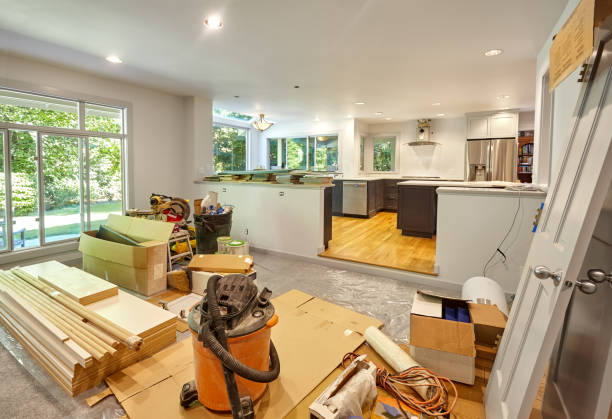
If you intend to remain in your home during construction, discuss dust protection, work areas, temporary utility interruptions and access arrangements before the project starts.
Understand budgeting and change management
A detailed renovation proposal should identify the work included in the contract and explain how materials and design selections affect the overall project budget.
Some preliminary estimates rely on allowances for finishes that have not yet been selected.
These allowances should be clearly explained because final selections may differ from the original assumptions.
Ask the contractor to distinguish between confirmed costs, allowances and potential additional work.
Unexpected conditions may still arise during renovation. Hidden water damage or inadequate existing framing can require additional repairs after construction begins.
A reliable change management process should document the proposed work, explain its cost and identify any schedule implications before approval.
Practical recommendation: Avoid approving major design changes through informal conversations alone. Written documentation helps maintain a shared understanding of the project’s scope.
Verify registration, insurance and contract transparency
Before signing an agreement, homeowners should verify that the contractor meets the applicable legal and professional requirements for residential remodeling in Connecticut.
The Connecticut Department of Consumer Protection requires businesses performing covered home improvement work to maintain appropriate registration.
Certain specialized activities may require separate trade licenses.
Registration can be checked through Connecticut’s official eLicense verification system.
Homeowners should also request current insurance information and confirm that coverage is appropriate for the proposed work.
Connecticut’s Home Improvement Act establishes written contract requirements for qualifying home improvement projects.
Review the following matters before signing:
- Contractor registration and applicable trade licenses.
- Insurance documentation and coverage information.
- Detailed construction scope and specifications.
- Payment arrangements and project milestones.
- Expected commencement and completion dates.
- Required permits and inspection responsibilities.
- Written procedures for changes and additional work.
- Warranty terms and post-construction responsibilities.
These requirements protect homeowners from misunderstandings and help establish clear project expectations.
For complex renovations, obtaining independent legal advice before signing a substantial agreement may also be appropriate.
Compare design-build contractors before making a decision
Comparing contractors requires more than reviewing the total price of their proposals.
Homeowners should evaluate the completeness of each proposal and the contractor’s ability to deliver the intended result.
The following comparison table identifies important considerations when reviewing potential remodeling partners.
| Evaluation factor | What to look for | Why it matters |
|---|---|---|
| Relevant experience | Completed luxury renovations with similar requirements | Demonstrates familiarity with complex residential projects |
| Design expertise | Detailed drawings and collaborative design development | Helps align design with practical construction needs |
| Project management | Defined responsibilities and documented schedules | Supports coordination and accountability |
| Material knowledge | Appropriate specifications and installation expertise | Supports durability and consistent workmanship |
| Contract transparency | Clear scope, exclusions and payment terms | Reduces misunderstandings and unexpected costs |
| Client communication | Accessible project contacts and consistent updates | Helps homeowners make informed decisions |
| Local knowledge | Familiarity with applicable municipal requirements | Supports permitting and construction planning |
During consultations, ask each contractor to explain their proposed approach to the same renovation requirements.
Comparing their answers can reveal differences in planning depth and technical understanding.
For example, consider a homeowner planning a kitchen expansion in Fairfield County.
A detailed proposal might identify structural considerations, cabinet specifications, temporary kitchen arrangements and necessary utility modifications.
A less developed proposal might focus mainly on visible finishes without addressing these practical requirements.
Although both contractors may describe similar finished spaces, the more detailed planning approach provides homeowners with a clearer understanding of the work involved.
This hypothetical example illustrates why proposal quality should carry substantial weight during contractor selection.
Identify common mistakes when hiring a remodeling contractor
Hiring decisions made without sufficient research can create unnecessary complications during a high end home renovation.
Understanding common mistakes helps homeowners evaluate contractors more effectively.
Choosing a contractor based only on price
The lowest proposal does not necessarily represent the best value.
A lower price may reflect different materials, incomplete specifications or exclusions that become apparent later.
Compare proposals based on equivalent project requirements and ask contractors to explain any significant differences.
Failing to review completed projects
Marketing photographs and design concepts do not always demonstrate actual construction quality.
Review completed renovations and speak with references whose projects involved similar work.
Ask about workmanship, communication and how the contractor resolved unexpected challenges.
Overlooking the design development process
Beginning construction before important design decisions are resolved can lead to additional changes and delays.
Confirm that layouts, key materials and technical requirements have been sufficiently developed before work begins.
Ignoring communication concerns
Poor communication during an initial consultation may indicate difficulties during construction.
Contractors should answer questions clearly and explain technical matters without creating unnecessary confusion.
Following trends without considering the property
Not every popular design feature complements an established Connecticut home.
For example, removing traditional architectural details may reduce the visual continuity of a historic residence.
Similarly, extensive glazing may require careful consideration of privacy and energy performance.
Homeowners should prioritize improvements that suit the property’s character and their long-term living requirements.
Conclusion
Selecting the right design build contractor Connecticut homeowners can work with confidently requires careful evaluation of design capabilities, construction experience and project management practices.
A successful high-end renovation begins with realistic planning and clear communication.
Reviewing previous projects, understanding contractual responsibilities and discussing potential construction challenges can help homeowners make better-informed decisions.
For homeowners in Fairfield County, Remodeling Consultants provides home remodeling and design-build services for residential renovations, additions, kitchens and bathrooms.
If you are considering a renovation and would like to discuss the practical requirements of your property, Contact Us to learn more about the remodeling consultation process and available services.
Frequently asked questions
What does a design-build contractor do?
A design-build contractor coordinates design development and construction within an integrated project delivery process. The team helps homeowners develop renovation plans, evaluate materials and organize construction activities. Specific services depend on the contractor’s professional capabilities and agreement.
How do I choose a design build contractor in Connecticut?
Review the contractor’s completed projects, verify appropriate registration and examine references from similar renovations. Ask about design responsibilities, budgeting practices and project supervision. Choose a contractor whose experience and working process align with your remodeling requirements.
Is a design-build contractor better for a luxury renovation?
A design-build arrangement can be beneficial when a renovation requires close coordination between design and construction. It may simplify communication and help identify construction challenges during planning. However, the quality of the contractor and the clarity of the agreement remain essential.
What should I ask a luxury remodeling contractor before hiring?
Ask about relevant experience, project management responsibilities, design services and construction schedules. Request detailed information about contract terms, material specifications and change management. You should also ask for references from comparable residential projects.
Do Connecticut remodeling contractors need registration?
Contractors performing work covered by Connecticut’s Home Improvement Act generally need registration with the Department of Consumer Protection. Certain specialized trades may require additional licenses. Homeowners can verify credentials through the state’s official eLicense system.
How can I evaluate a contractor’s workmanship?
Examine completed projects and look closely at finishing details, material installation and overall consistency. Speak with previous clients about their experiences after project completion. Relevant examples offer a clearer picture of workmanship than promotional photographs alone.
Should I hire an architect separately from a design-build contractor?
That depends on the project and the contractor’s available professional services. Some design-build firms provide architectural design through qualified professionals while others coordinate with outside architects. Confirm who will prepare and approve drawings requiring professional authorization.
Can I live in my home during a high-end renovation?
Living at home may be possible during certain remodeling projects. The decision depends on the construction scope, utility interruptions and safety considerations. Discuss temporary living arrangements and work area separation with your contractor before construction begins.
How can I avoid unexpected remodeling expenses?
Begin with detailed project specifications and clarify material allowances before signing an agreement. Request written documentation for changes and discuss how hidden construction conditions will be handled. Thorough planning can reduce avoidable expenses, although it cannot eliminate every unforeseen issue.
When should I contact a design-build contractor for my renovation?
Contact a design-build contractor during the early planning stage, before major design and material decisions have been finalized. Early consultation allows the team to assess existing conditions and discuss construction feasibility. This can help homeowners establish realistic expectations before committing to a detailed renovation plan.